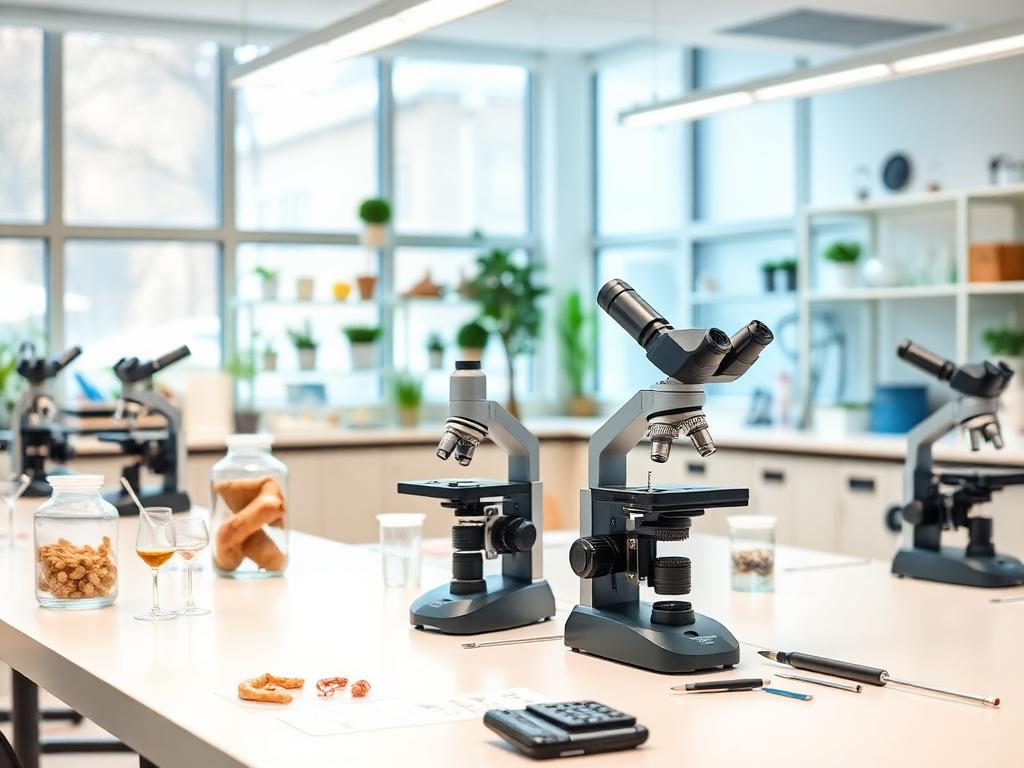
Biology Lab Setup for Schools
Biology lab equipment for schools, including microscopes, prepared slides, specimen jars, glassware, anatomical models, charts and practical safety essentials.
Key Features
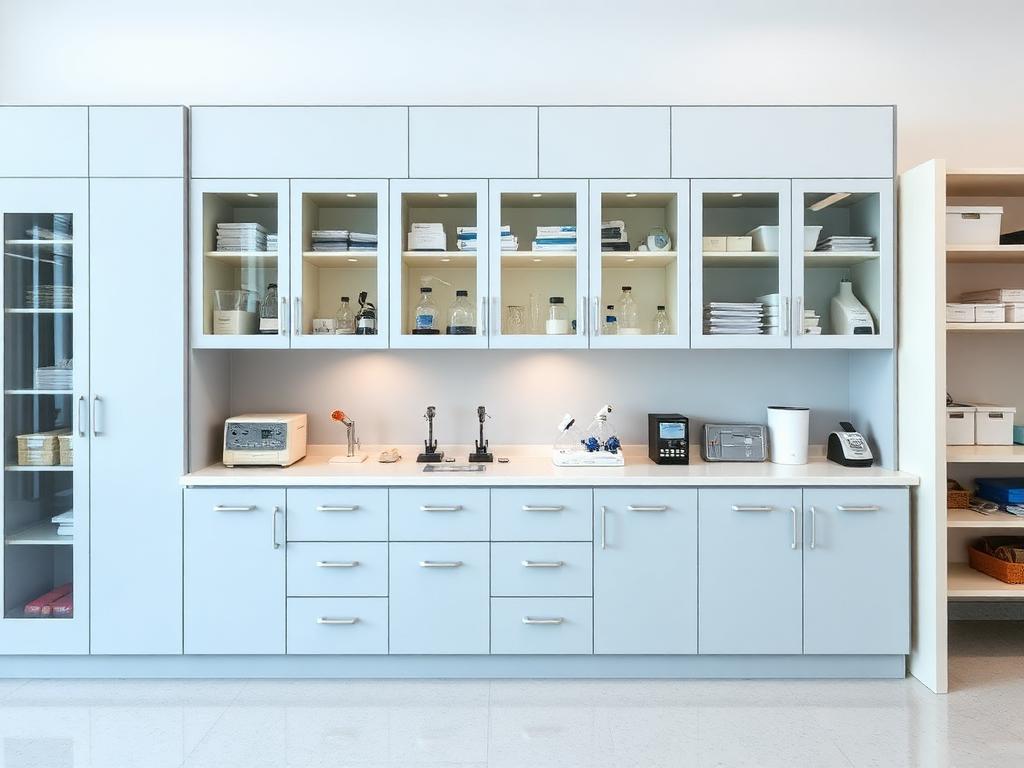
Plan Biology Lab Equipment for Observation and Practical Work
Biology laboratory requirements vary with the classes and practical activities being taught. Plan microscopes, slides, models, specimen materials, glassware and protective equipment together, while checking the school's policies for specimens and dissection.
List microscopy, cell study, botany, anatomy and other practical activities for the relevant classes.
Choose microscope quantities and magnification needs according to the number of student groups.
Plan slide, specimen and model storage, including labels and handling instructions.
Check school policies for preserved specimens, dissection activities, protective equipment and bio-waste disposal.
Complete Inventory
The list below shows equipment categories and examples for this laboratory. Check final selection and quantities against the school's class levels, practical programme and existing inventory.
Microscopy & Observation
- Compound microscopes (multiple magnifications)
- Simple microscopes / hand lenses
- Prepared slides (animals, plants, tissues, cells)
- Glass slides and cover slips
- Slide boxes / slide trays
- Glass petri dishes
- Specimen jars with lids
Dissection Tools
- Dissecting trays with kits
- Scalpels, scissors, forceps, tweezers
- Probes, needles, dissecting pins
- Gloves, lab coats, aprons
- Pasteur pipettes / droppers
Botany Apparatus
- Herbarium shelf / preserved plant samples
- Fresh specimen trays
- Plant dissection kits
- Rulers / measuring scales
- Magnifying lenses for macro-observation
Glassware
- Beakers (various sizes)
- Test tubes + racks
- Measuring cylinders
- Droppers / pipettes
- Wash bottles
- Glass funnels and rods
Models & Charts
- Human heart, lungs, digestive system models
- Plant cell and animal cell models
- Human skeleton / torso
- Life cycle charts (frog, mosquito, butterfly)
- Wall charts (anatomy, plant structure, cell diagrams)
Safety & Storage
- Lab benches with sinks and running water
- Chemical storage cabinets with labeling
- Safety goggles, gloves, lab coats
- First-aid kit
- Exhaust / ventilation system
- Bio-waste disposal containers
Safety & Best Practices
Biology Lab Setup FAQs
What equipment is commonly included in a school biology lab?
The listed categories include microscopes, prepared slides, glass slides and cover slips, specimen jars, dissection tools, botany apparatus, glassware, anatomical models and charts.
How many microscopes does a school biology lab need?
The quantity depends on the class size, practical timetable, group rotation and whether students work individually or in teams. Confirm the number after reviewing the school's practical plan.
What should schools consider when selecting specimens and dissection materials?
Check the school's current curriculum, institutional policies and applicable rules. Where suitable, models and prepared slides can support observation without requiring dissection.
Ready to Set Up Your Biology Lab?
Get a free consultation and custom quote tailored to your school's space and budget.